말죽거리, 엄마의 밥상 — 그리고 느린 하루
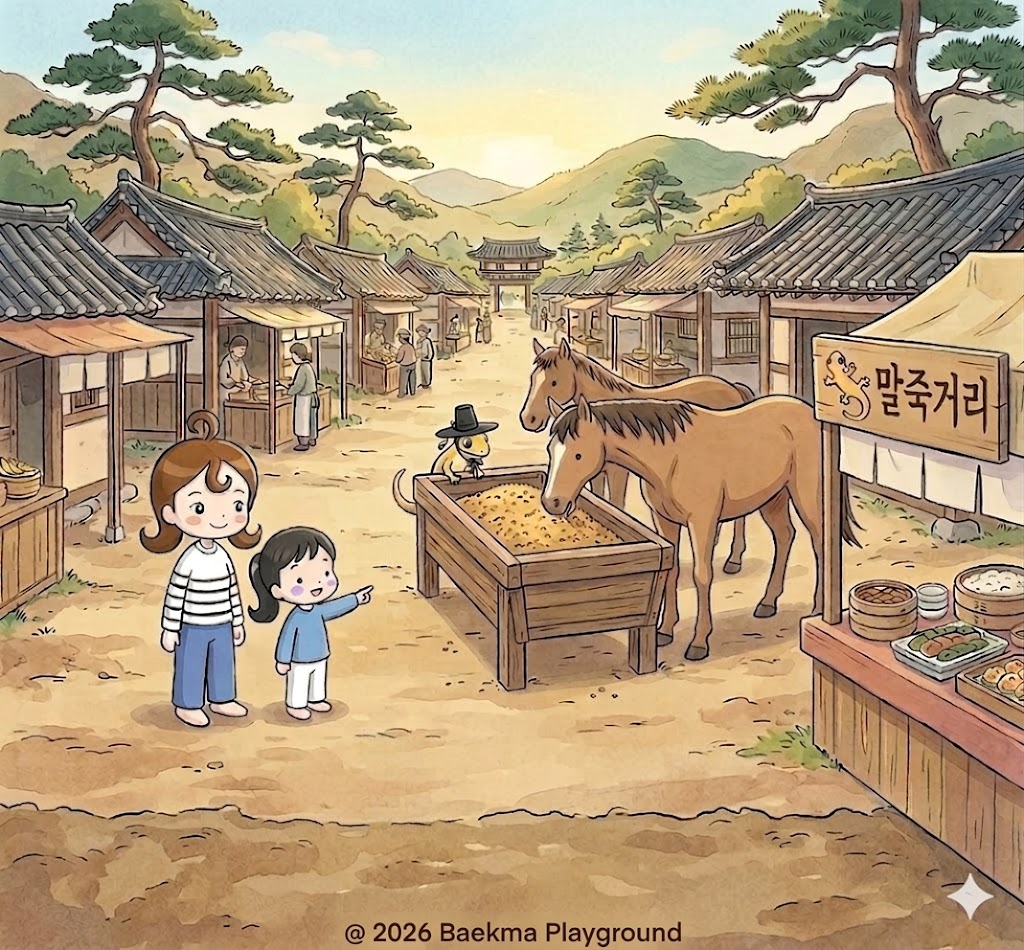
Until not so long ago, the place where I grew up was still called by its old, affectionate name — Maljukgeori. When we first moved here in 1982, I watched a cow amble along the small hill behind our house and was half-convinced we had moved to the countryside. Today it has become a transit hub for southern Seoul, but thanks to my parents, who have lived in the same spot for forty-four years, the view from my mother’s home has stayed exactly as it was for four decades.
내가 자란 곳은 얼마 전까지도 ‘말죽거리’라는 정겨운 옛 이름으로 불리던 곳이다. 1982년 처음 이사 왔을 때, 집 근처 뒷동산에 소가 지나다니는 걸 보고 시골로 이사 온 줄 알고 살짝 문화 충격을 받았던 기억이 난다. 지금은 서울 남부 교통의 중심지가 되어버렸지만, 44년째 같은 자리에서 사시는 부모님 덕분에 엄마 집의 풍경만은 40년째 그대로다.
The name Maljukgeori is said to date back to a Joseon-era post station, where travelers on long journeys would boil porridge for their horses and unburden their road-weariness at the inn. Long before anyone had a word for “slow,” this was already a place where tired footsteps paused to rest. Perhaps my wish to wander Seoul slowly, at an unhurried pace, had in fact begun long ago — back in my childhood, in those very Maljukgeori days.
말죽거리라는 이름은, 먼 길을 가던 이들이 말에게 죽을 끓여 먹이고 주막에서 여장을 풀던 조선시대 역참에서 비롯되었다고 한다. ‘느림’이라는 말이 생기기 훨씬 전부터, 이곳은 지친 발걸음이 잠시 멈춰 쉬어 가던 자리였던 셈이다. 쉬엄쉬엄 느리게 서울을 걷고자 했던 바람은, 사실 이미 나의 어린 시절 — 그 말죽거리 시절부터 시작되고 있었는지도 모른다.
Beyond the veranda window, dense apartment blocks stretch toward the horizon. Every line of that view calls up two things at once — forty years of my own memories, and my parents’ present-day life.
베란다 창밖으로는 빼곡한 아파트 단지가 펼쳐진다. 그 풍경 하나하나가 내 40년의 기억과, 부모님의 오늘을 동시에 떠올리게 한다.
Step through the door and a familiar scent of home brushes past — the smell of years layered upon years. And there, as always, is the back of my mother, in her mid-seventies, busying herself for her daughter. How much longer will she be able to set a table for me, I wonder. It must tire her, surely. But she insists that feeding her child is her own quiet joy, and I let myself lean on those words, and simply sit down at the table she has laid.
현관을 들어서면 코끝을 스치는 익숙한 집 냄새가 난다. 부모님의 세월이 겹겹이 쌓인 공간. 그 안에는 여전히 딸을 위해 분주히 움직이는, 일흔 중반 엄마의 뒷모습이 있다. 엄마는 언제까지 나를 위해 밥을 차려줄 수 있으실까. 힘드실 텐데, 자식 밥 차려주는 게 당신의 기쁨이라는 말에 슬그머니 기대어, 나는 그냥 차려주신 밥상 앞에 앉는다.
The living room of my parents’ home, where time seems to have stopped — or perhaps only to flow very, very slowly.
시간이 멈춘 듯, 아니면 아주 느리게만 흐르는 듯한 부모님 댁의 거실.
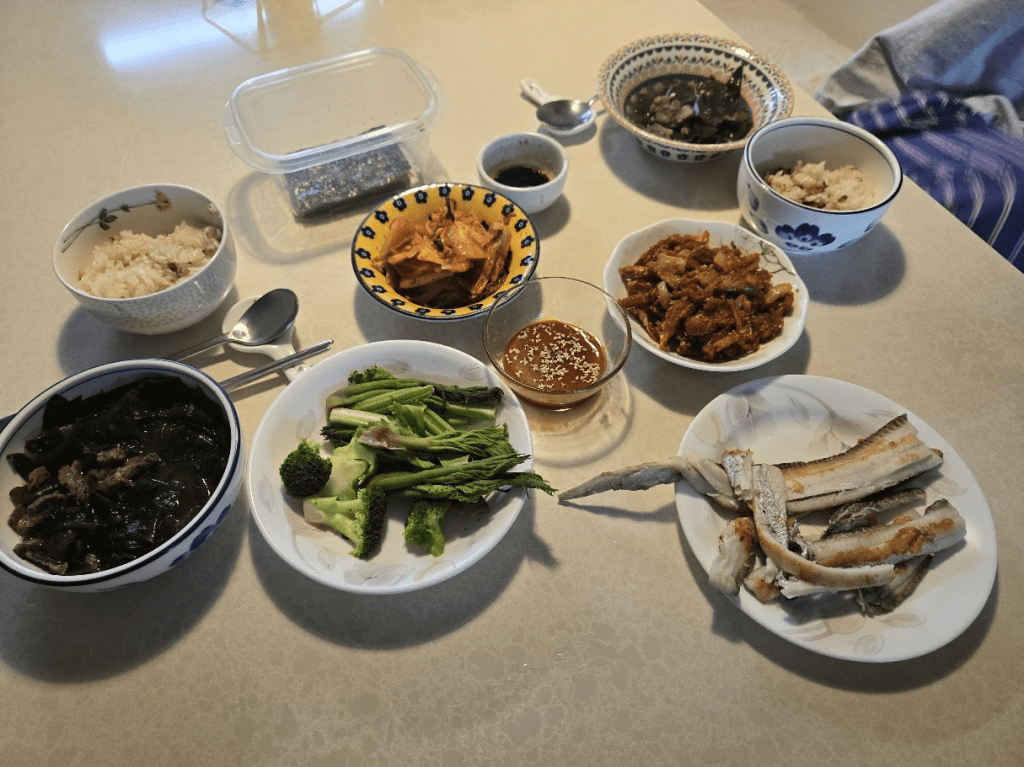
She laughs that her body isn’t what it used to be — and yet, before I know it, the table is full of warm home cooking. Plain, unfussy side dishes, each one quietly full of care, and a bowl of soup with steam still rising from it. It fills me up more deeply than any celebrated restaurant ever could.
몸이 예전 같지 않다고 웃으시면서도, 엄마는 어느새 식탁 가득 따뜻한 집밥을 차려낸다. 투박하지만 정성이 가득 밴 밑반찬들, 그리고 모락모락 김이 오르는 국 한 그릇. 세상 어떤 맛집보다 묵직하게 내 속을 채워 준다.
My parents, whose strength has noticeably faded, and their daughter, now in the midst of menopause — for all of us, going far afield has become difficult these days. So we decide on a walk at nearby Cheonggyesan instead. Through all my school years I went there on so many field trips that, even now, every visit brings back the faces of the close friends who used to put on talent shows there — a place steeped, truly, in memory.
부쩍 기력이 약해지신 부모님과, 갱년기에 들어선 딸이 이제 멀리 나들이를 가기는 힘이 든다. 가까운 청계산으로 산책을 나서기로 한다. 청계산은 초·중·고 시절 내내 소풍을 어찌나 많이 갔던지, 지금도 갈 때마다 그 시절 장기자랑을 하던 단짝 친구들이 떠오르는, 진짜배기 추억의 장소다.
To my eyes, my mother’s figure from behind still looks like a woman in her sixties — but her steps have grown slower than they once were.
엄마의 뒷모습은 내 눈엔 여전히 60대 같지만, 걸음걸이는 예전보다 확실히 느려지셨다.
She used to love walking far and without rest, wherever we went. Now she needs to stop often along the way. As it happened, we came upon a lovely resting bench on the mountain.
예전에는 어디를 가든 쉬지 않고 많이 걷는 걸 좋아하셨는데, 이제는 걷다가 자주자주 쉬어야 하신다. 마침 청계산에서 근사한 쉼터 평상을 하나 발견했다.
From now on, I think, I should take them out more often on half-day outings to nearby places like this, here in Seoul. I want to take it in stride — the fact that both my parents’ bodies and my own are changing with the years — and to recognize that the time has come to slow our family’s whole way of living to match. Rather than straining against that change, I decide to receive it gently, and to enjoy Seoul more slowly, with more room to breathe. Perhaps slowness is not something we choose, but something we finally learn by matching our pace to the slower steps of someone we love.
앞으로는 청계산처럼 서울 안의 가까운 곳으로 반나절 나들이를 자주 모시고 다녀야겠다는 생각이 든다. 부모님과 나의 몸이 세월 따라 변해가고 있다는 것을 쿨하게 인정하고, 이제는 우리 가족의 삶의 방식을 그에 맞추어 느리게 바꿔야 할 때가 온 것이다. 그 변화를 애써 거스르기보다 편안히 받아들이고, 더 느리고 여유롭게 서울을 누려보자고 마음먹는다. 느림은 어쩌면 우리가 선택하는 것이 아니라, 사랑하는 이의 느려진 걸음에 발을 맞추며 비로소 배우게 되는 것인지도 모른다.
Ah — the little market under the railway bridge at Cheonggyesan is just as it always was. My mother beams as she picks out tomatoes and corn said to have been grown nearby. I hope she can keep this small joy of shopping for a long, long time.
아, 청계산 굴다리 아래 작은 장터는 예나 지금이나 그대로다. 청계산 근처에서 키웠다는 토마토와 옥수수를 고르며 환하게 웃으시는 엄마. 오래오래, 이렇게 장 보는 즐거움을 누리셨으면 좋겠다.
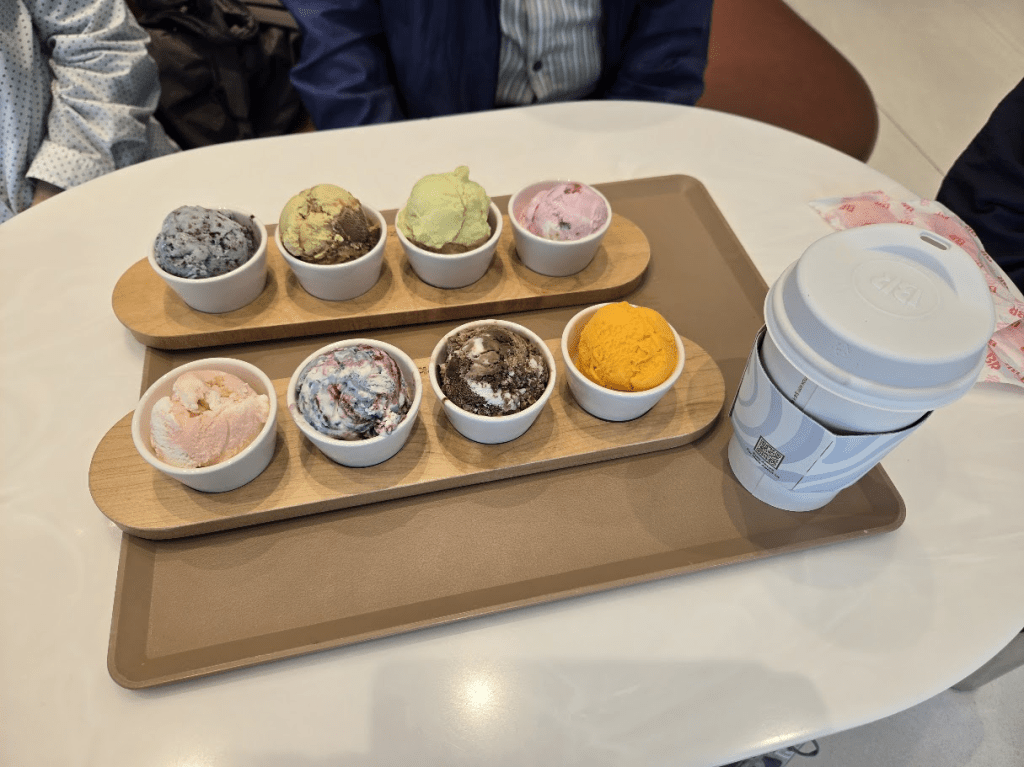
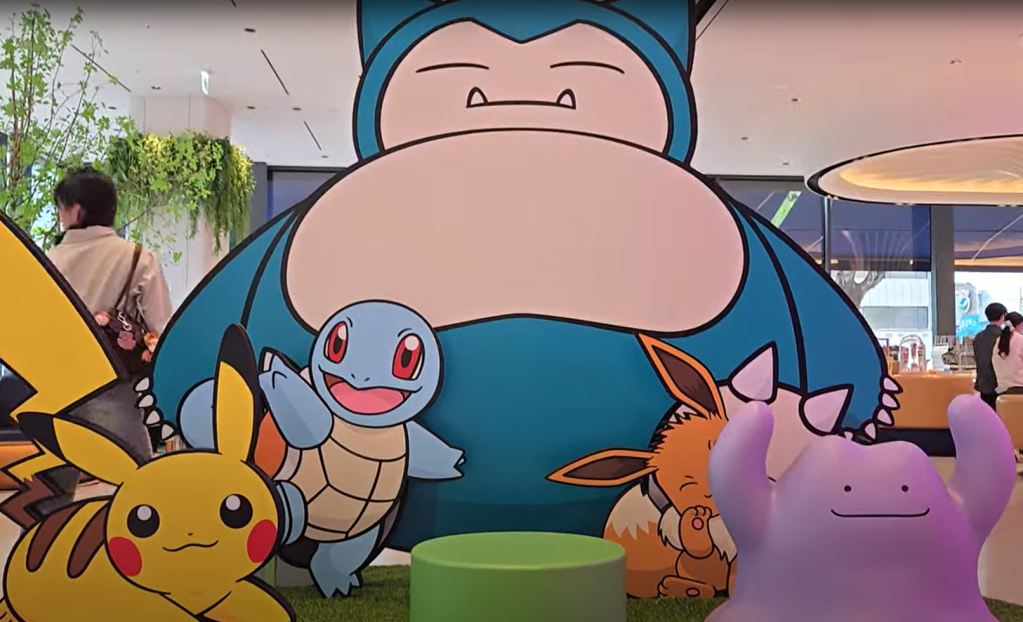
In her grandmother’s eyes, fourteen-year-old Coco is still a little child. Going out for ice cream with Coco is the top of Grandma’s bucket list for the day — so off we all go together, happily. We chose eight flavors from a Baskin Robbins available only at the special branch in Maljukgeori. As luck would have it, there was even a Pokémon pop-up — the very one Coco adored back in her elementary-school days.
할머니 눈에는 열네 살 코코가 여전히 어린아이다. 코코랑 아이스크림을 먹으러 가는 것이 할머니의 오늘의 버킷 리스트이니, 모두 함께 즐겁게 고고. 말죽거리 특별 매장에서만 맛볼 수 있다는 베스킨라빈스 여덟 가지 메뉴를 골랐다.
마침 코코가 초등학생 시절 좋아했던 포켓몬스터 팝업까지 들어서 있네.
Whenever I come home to my parents in Maljukgeori, I find myself thinking of Reply 1988, a drama I love — because the same feeling that fills Ssangmun-dong, the show’s backdrop, once lived here too, in my hometown. The jeong — that untranslatable warmth of Korean neighborliness — that once flowed through every alley, the culture of neighbors and of family: is it too much of me to wish it could come alive again, in a form fit for today? We can’t return to those years whole, of course. But what if we sifted out only the good things from that time and brought them back into the lives we live now? Even as we live in a modern world that prizes each person’s own life more and more — how might we also make the days our family shares together richer and warmer? The more our private time matters to us, the more precious the occasional shared time comes to feel, these days. Still, I try not to carry the question too heavily. Sometimes slowly, sometimes quickly, taking each step lightly — somewhere along the way, I have a feeling, we will come upon something truly good.
말죽거리 친정에 올 때면, 내가 좋아하는 〈응답하라 1988〉이 떠오른다. 그 드라마의 배경인 쌍문동과 비슷한 정서가 내 고향 말죽거리에도 존재했기 때문이다. 골목마다 흐르던 ‘정(情)’, 그 이웃의 문화와 가족의 문화가 오늘의 버전으로 다시 살아났으면 하는 마음은, 내 욕심일까. 그 시절로 온전히 돌아갈 수야 없겠지만 — 그때의 좋았던 것들만 골라내어, 지금 우리의 삶에 다시 들여놓아 보면 어떨까. 각자의 삶을 더 중요시하는 현대를 살아가면서도 — 어떻게 하면 가족이 함께하는 일상 또한 풍요롭고 따뜻하게 만들어 갈 수 있을까. 개인적인 시간이 중요할수록, 가끔씩 주어지는 함께하는 시간이 더욱 귀하게 느껴지는 요즘이다. 다만 너무 무겁게 고민하지는 않으려 한다. 때로는 천천히, 때로는 빠르게, 가볍게 한 걸음씩 발을 떼다 보면, 그 과정 중에 정말 좋은 것을 발견하게 될 것 같다.
Let me close with the one song that best holds the feeling of my teenage years. Geudaeege (“To You”) brings back both that era and Reply 1988, and it has given my whole generation more memories than I can count. For a moment, it carries me back to a time when Korea, in my memory, was at its most hopeful, its most full of jeong, its most vibrantly alive.
내 사춘기의 정서를 가장 잘 담아낸 노래 한 곡으로 이 글을 맺으려 한다. 〈그대에게〉는 그 시절을, 그리고 〈응답하라 1988〉을 함께 떠올리게 하는, 나와 같은 세대에게 수많은 추억을 안겨준 고마운 곡이다. 내 기억 속에서 대한민국이 가장 희망에 넘치고, 가장 ‘정’이 많고, 가장 힘차게 태동하던 그때로 — 잠시, 다녀오기.
Seoul & Slow. One step at a time.
서울 앤 슬로우. 한 걸음씩, 천천히.
Discover more from Seoul & Slow
Subscribe to get the latest posts sent to your email.
 Seoul & Slow